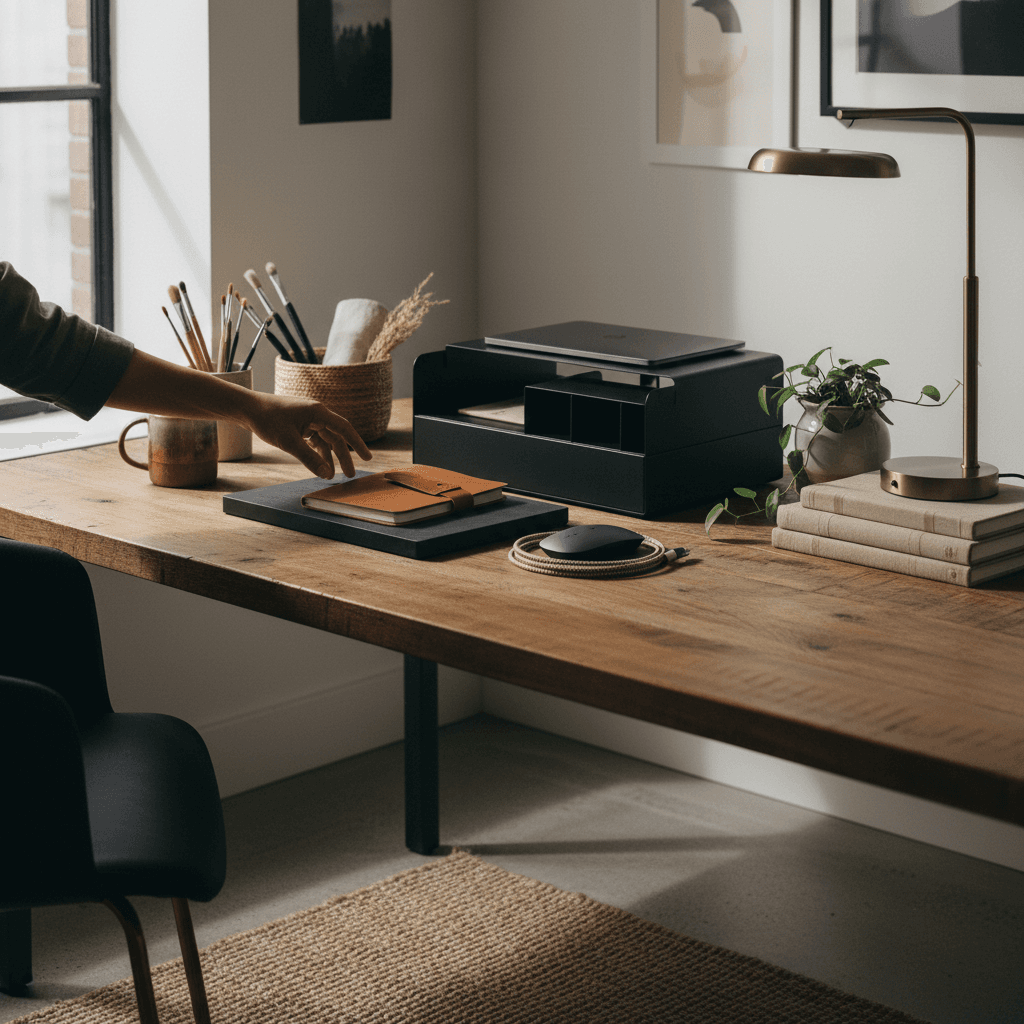
Effective decluttering rules focus on practical strategies like the one-in, one-out method and the 80/20 principle to reduce household excess and maintain order. These guidelines help individuals prioritize items they use most frequently while removing possessions that no longer serve a functional purpose; this approach creates a sustainable and balanced living environment. By consistently applying these rules, you can transform a cluttered space into an organized home that is easy to manage.
Most people approach decluttering as a weekend war against their own belongings, only to find the chaos returning within a week. The frustration of a crowded kitchen or an overflowing closet is not just about the mess; it is about the loss of functionality in your own sanctuary. A truly balanced home requires more than just throwing items away; it demands a shift toward intentionality and quality. When every object serves a purpose or brings genuine value, the physical space begins to support your lifestyle rather than hindering it. In this guide, we will move beyond superficial advice to explore decluttering rules that actually endure. You will learn how to prioritize quality over quantity, implement practical daily habits, and master the art of organization for clothes and small spaces. Whether you are managing a busy household or refining a personal retreat, these strategies will help you maintain a sophisticated, clutter free environment.
Why Most Decluttering Rules Fail Busy Households
For many households in Box Elder County, the weekend ritual consists of an exhausting cycle: cleaning, organizing, and reclaiming space, only to have the clutter return by Tuesday morning. This frustration often stems from the fact that most generic decluttering rules are designed for people with unlimited free time or a desire for extreme minimalism. When rules are too rigid, they fail to account for the realities of a busy, practical life where tools, gear, and supplies are actually necessary for daily work and home maintenance.
At Anders Store, our philosophy centers on the idea of having everything you need and nothing you don't. Real organization is not about deprivation or living in an empty white box; it is about curated living. This means moving away from the mindset of simply throwing things away and moving toward a straightforward shopping experience where every item serves a purpose.
We understand the Box Elder lifestyle requires a balance of value and functionality. By focusing on a curated selection of practical products and quality everyday essentials, you can stop managing excess and start enjoying a home that works for you. True decluttering happens when you stop buying for the sake of volume and start investing in items that justify the space they occupy on your shelves.
The Golden Rule: Quality Over Quantity in Every Room

True decluttering begins long before you pick up a trash bag; it starts at the point of purchase. The most effective decluttering rules are built on a foundation of intentionality, specifically the Buy Once mindset. This approach prioritizes long-term utility over immediate, low-cost convenience. When you choose a single, high-quality version of a tool, you eliminate the need for the four or five cheap alternatives that inevitably end up clogging your drawers and storage bins.
Consider the difference between a cluttered utility drawer filled with flimsy, redundant gadgets and a streamlined space containing one reliable, well-built implement. The cheaper versions are often filler items that provide the illusion of preparedness while offering poor performance. By focusing on a curated selection of practical products, you reduce the physical volume in your home without sacrificing capability. This shift in perspective offers significant mental relief; a home filled with items you trust is far less stressful to manage than one overflowing with mediocre substitutes.
Investing in quality everyday essentials also makes financial sense for Box Elder households. While the initial cost of a specialty item might be higher, the longevity of that product prevents the repetitive expense of replacing broken goods. This commitment to quality creates a straightforward shopping experience that naturally prevents clutter from entering your home in the first place. When every object in a room earns its keep through durability and superior function, the need for constant organizing rituals begins to fade.
Five Practical Decluttering Rules for Everyday Life
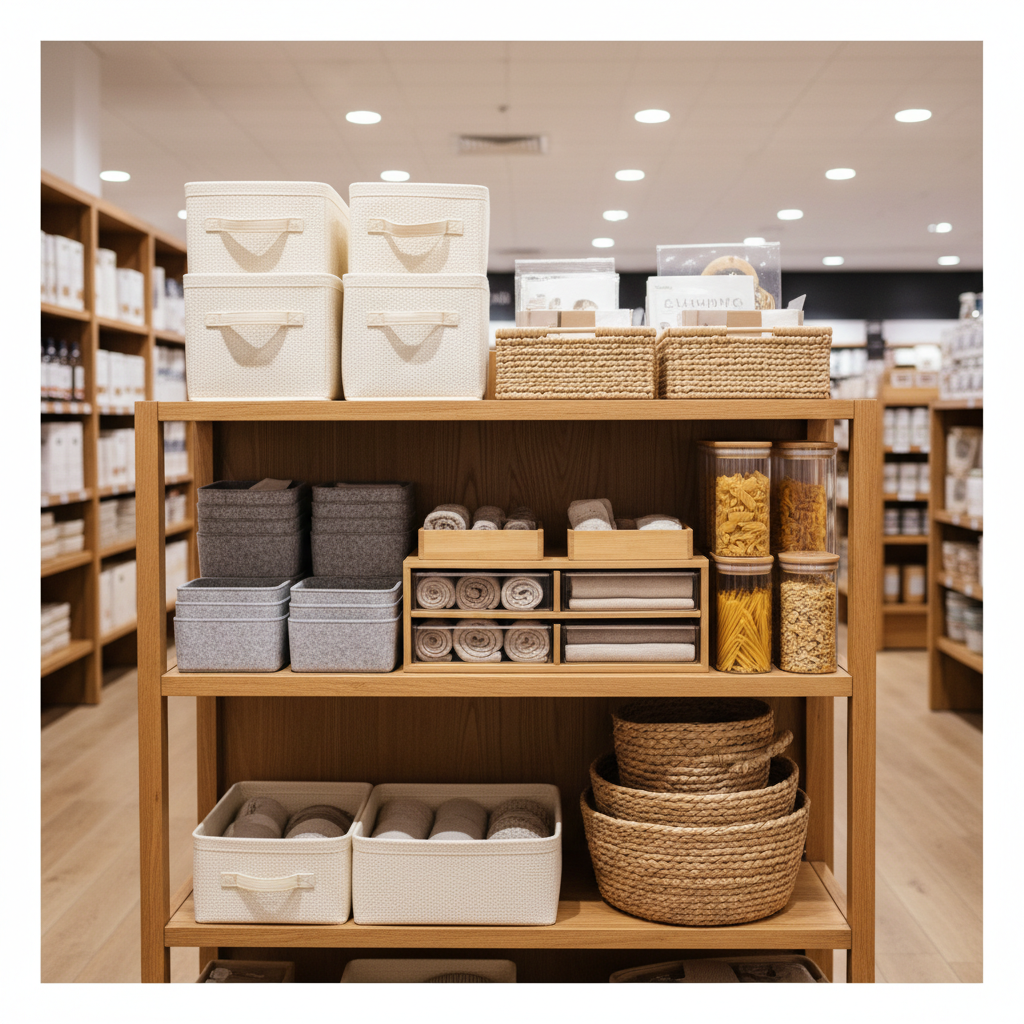
Transitioning to a streamlined home requires a tactical approach to the items you already own. While high-quality purchases prevent future problems, these five decluttering rules act as a filter for your current environment, helping you reclaim space for the things that actually matter.
The One-In, One-Out Rule: This is a classic inventory management technique adapted for the home. When you bring a new item through the door, an existing one must leave. This is particularly effective for kitchen gadgets and clothing. If you invest in a professional-grade cast iron skillet from a curated selection of practical products, the old, warped non-stick pan should be retired. This rule ensures your household inventory stays level, preventing the slow accumulation of redundant tools.
The 80/20 Rule: Pareto’s Principle suggests that you likely use 20 percent of your belongings 80 percent of the time. These are your quality everyday essentials, the workhorse tools and reliable staples that simplify your life. By identifying this 20 percent, you can prioritize their accessibility. Conversely, the 80 percent of items that are rarely touched should be the first candidates for removal. If a tool hasn't been part of your regular rotation for a full season, it is likely taking up more space than its utility justifies.
The 12-12-12 Rule: For households in Box Elder County with limited time, this rule provides a structured, high-impact sweep. The goal is to find 12 items to throw away, 12 to donate, and 12 that simply need to be returned to their proper place. This creates a straightforward shopping experience within your own home by clearing the visual noise and ensuring that items are located where they are actually used.
The 2-Foot Rule: This is a habit-based rule designed to stop clutter before it settles. If you are standing within two feet of an item’s designated "home," you must put it away immediately rather than setting it on a counter or table. This prevents the buildup of transit clutter, those piles of mail, tools, or gear that migrate from room to room without ever being put to rest.
The "Would I Buy This Again?" Test: When evaluating an object, look at it through the lens of a consumer rather than an owner. Ask yourself if you would pay full price for this item today if you saw it on a retail shelf. If you wouldn't spend your hard-earned money on it now, it shouldn't be occupying valuable real estate in your home. This test helps remove the guilt associated with past purchases that no longer serve a functional purpose.
Decluttering Rules for Clothes and Personal Spaces
Personal spaces, particularly closets, require decluttering rules that account for our varied Utah seasons. To identify what you actually wear, use the Reverse Hanger trick: turn all your clothes hangers the wrong way. Once you wear an item, return it to the rack with the hanger facing forward. By the end of a six month season, anything still facing backward has not been used and is likely just taking up space. This method provides objective data for your next closet purge.
For items with emotional weight that hinder your progress, use the Box of Doubt. Place these items in a labeled container and set a reminder for one year. If you have not felt the need to retrieve them by then, you can confidently donate them, knowing you do not rely on them for your daily routine. This keeps sentimental clutter from stalling your momentum.
In Box Elder County, extreme minimalism often fails because our lives are active and varied. You do not need a tiny capsule wardrobe; you need a functional collection of quality everyday essentials that stand up to ranch work, office days, and mountain winters. A curated selection of practical products ensures your personal space reflects your actual lifestyle rather than an unrealistic aesthetic. This results in a straightforward shopping experience where your closet remains a tool for your day, not a source of morning stress.
The Multi-Functionality Mandate for Small Spaces
Beyond the closet, the primary source of clutter in many Utah homes is the specialty tool that performs only one task. To combat this, apply the rule of Single-Use Scarcity. This mandate suggests that unless you use a specific item every single day, it should not occupy space if it only has one function. For instance, a dedicated strawberry huller or a specialized single-bolt wrench often becomes a permanent resident of a junk drawer, taking up room without providing regular value.
Instead, focus on versatile items that solve multiple problems. A high-quality chef's knife replaces a dozen gimmicky plastic choppers; similarly, a sturdy cast iron Dutch oven handles everything from stovetop searing to oven baking. Choosing a curated selection of practical products allows you to replace several pieces of clutter with one reliable tool. By prioritizing multi-functional goods, you maintain a straightforward shopping experience that favors utility over volume. These decluttering rules ensure that every square inch of your counter or workbench is earning its keep.
How to Organize After You Declutter
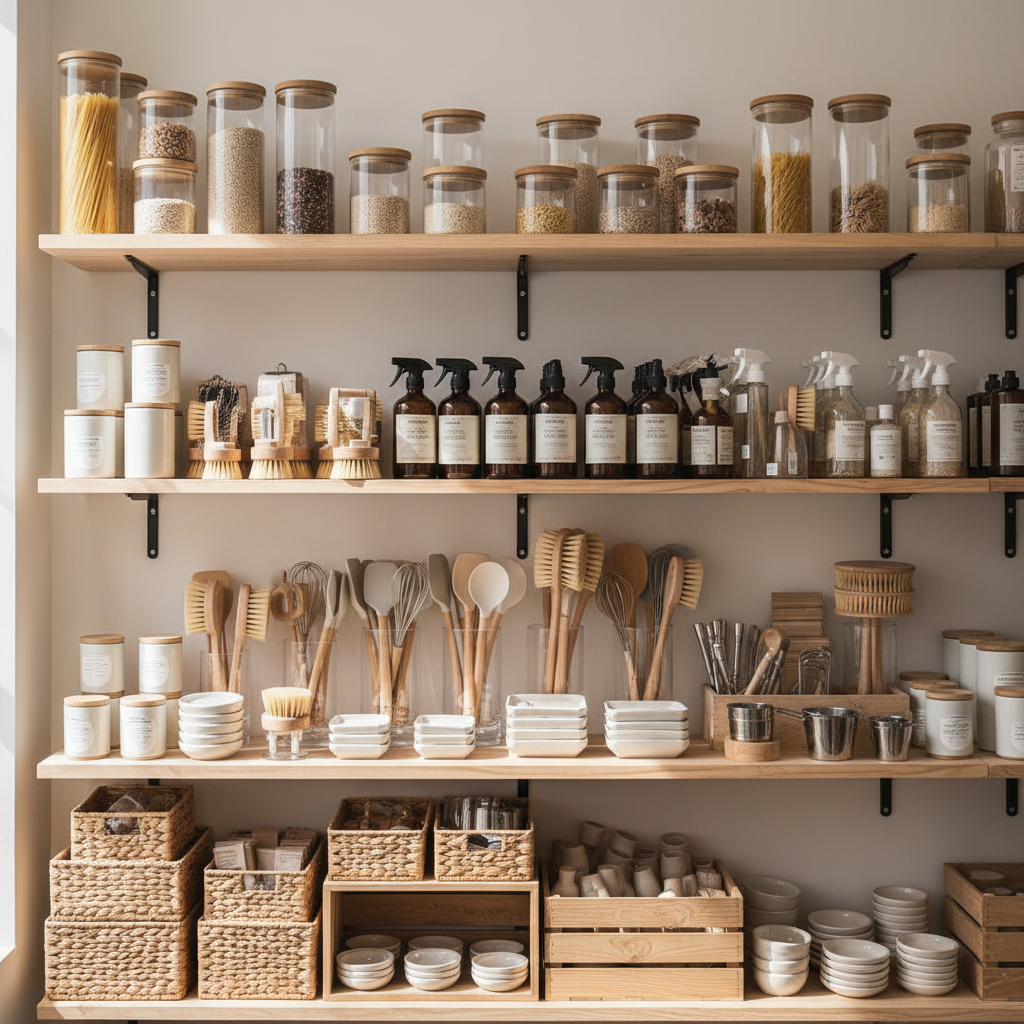
The decluttering rules used to clear your space only reach their full potential when paired with a sustainable organization system. A common mistake is rushing to buy stacks of translucent plastic bins that eventually become graveyards for forgotten items. Effective home organization requires must-haves that facilitate visibility and accessibility while maintaining the aesthetic integrity of your home. Instead of hiding your belongings, choose high-quality, durable storage solutions that are attractive enough to remain in plain sight.
Natural materials like acacia wood, heavy ceramic, and powder-coated steel keep a room feeling warm and intentional rather than clinical. A solid wood tray can define a workspace, while ceramic crocks neatly house kitchen tools. These choices reflect a straightforward shopping experience where the storage itself provides long-term value. To ensure these systems remain functional, incorporate clear, legible labels. Labeling prevents the "mystery box" phenomenon and ensures every family member knows exactly where quality everyday essentials are stored.
For inspiration, look to the visual rhythm of a well-organized retail shelf. Professional displays prioritize accessibility, placing the most used items at eye level and grouping similar objects to create a sense of order. This approach turns your storage into a curated display. By selecting a curated selection of practical products for organization, you move away from temporary fixes and toward a home where every item is easy to find, use, and return to its proper place. This structure supports the progress you have made, turning a one-time clean into a permanent standard of living.
Maintaining the Balance: Practical Habits for Box Elder Residents
Managing a home in Box Elder County requires specific gear for everything from heavy snow removal to summer irrigation. A living space can easily feel overwhelmed if these tools remain visible year-round. Implement a seasonal swap schedule that aligns with Utah’s dramatic weather shifts. In March, move heavy parkas and snow gear to high-shelf storage or the garage, making room for gardening supplies. In late September, rotate these items back. This practice ensures your immediate environment only holds what is relevant to the current climate.
When items no longer serve your household, avoid the landfill by utilizing local donation centers in Brigham City or participating in community swap events. This keeps a curated selection of practical products in circulation for others who need them. A home should feel lived-in, not clinical. By applying these decluttering rules through intentional curation and a straightforward shopping experience, you create a space managed by efficient systems. Focus on keeping quality everyday essentials that justify their footprint, allowing your home to remain a functional base for work and daily life.