
Home emergency kit essentials include a three day supply of water and non perishable food, a first aid kit, and a flashlight with extra batteries. To ensure safety during disasters, your kit should also feature a battery powered radio, sanitation supplies, and personal medications; these items provide a foundation for long term preparedness.
Living in Box Elder County means enjoying the beauty of the Wasatch Front, but it also means facing the reality of sudden snow squalls and infrastructure strain. There is a specific kind of stress that settles in when the power flickers during a winter storm and you realize your flashlight batteries are dead or your first aid supplies are depleted. Practical preparedness is not about fearing the worst; it is about the quiet confidence that comes from knowing your household is ready for any disruption. In this guide, we provide a sophisticated approach to building a home emergency kit tailored for Northern Utah. You will learn the ten foundational items every home requires, how to assemble a comprehensive twenty item survival kit, and which everyday tools serve double duty. We also detail essential vehicle gear for our local winter roads and offer strategies for long term maintenance.
Why Practical Preparedness Matters in Northern Utah
Living in Box Elder County requires a unique level of resilience. Our community faces specific environmental demands, ranging from heavy lake-effect snow that can isolate a household to the persistent seismic risks associated with the Wasatch Front. Preparedness here is not a distant theory; it is a seasonal reality. However, many residents fall into the trap of buying pre-packaged survival buckets filled with low-quality plastic tools and items they would never use in a normal setting.
A superior approach focuses on practicality. True readiness comes from building a kit with practical products for home and work that you actually trust. Utah winters are notoriously unforgiving. When the power fails during a January blizzard, a cheap, flickering flashlight or a brittle plastic tool becomes a liability. Selecting high-quality home emergency kit essentials ensures that your gear performs exactly when you need it most.
We believe in maintaining a curated selection of everyday essentials at our local retail locations in Box Elder County because reliability is the most important feature of any tool. Your preparedness kit should be an extension of your daily life, consisting of dependable, high-functioning items that provide peace of mind during a local power outage or a major storm. Focusing on quality over novelty means you are building a resource that will not fail when the stakes are highest.
The 10 Basic Home Emergency Kit Essentials

Building a reliable kit starts with identifying the non-negotiables. When people ask, "What are 10 items in an emergency kit?" the answer must focus on the foundations of survival and utility. At Anders Store, we emphasize selecting practical products for home and work that stand up to actual use.
Water: Store at least one gallon per person per day for a minimum of three days. This covers both drinking and basic sanitation.
Non-Perishable Food: Focus on high-protein items like canned meats, beans, or nuts. Choose low-sodium options to prevent excessive thirst when water is rationed.
NOAA Weather Radio: A battery-powered or hand-crank model is essential for receiving updates when cellular networks fail during a storm.
Flashlight with Extra Batteries: Opt for a high-lumen LED model. Avoid the flimsy plastic versions often found in pre-made kits; they lack the impact resistance needed during a crisis.
First Aid Kit: Ensure it includes a variety of bandages, antiseptic, and basic trauma supplies.
Whistle: This is a low-tech, high-reliability way to signal for help without exhausting your voice.
Dust Mask: These are critical for filtering contaminated air or debris following a seismic event or heavy windstorm.
Moist Towelettes and Garbage Bags: Sanitation is often overlooked. These items manage personal hygiene and waste when plumbing is compromised.
Wrench or Pliers: You must be able to turn off household utilities like gas or water. A high-quality metal multi-tool is far superior to a cheap plastic alternative. Plastic can snap under the torque required to move a rusted valve; steel will not.
Local Maps: Physical maps of Box Elder County are necessary for navigation if GPS services become unavailable.
Selecting these home emergency kit essentials from a curated selection of everyday essentials ensures that every item serves its purpose effectively. Investing in quality tools now prevents equipment failure during the moments you need them most.
Building a Comprehensive 20 Item Survival Kit
The initial list provides a foundation, but a comprehensive kit addresses the specific nuances of your household. Expanding to a 20-item survival kit ensures you are prepared for more than just a few hours of disruption; it provides a buffer for several days of self-sufficiency. This expansion requires a thoughtful assessment of your family’s unique needs, moving beyond generic supplies to practical products for home and work that serve specific health and safety functions.
Prescription Medications: Keep at least a seven-day supply of all essential medications. In a localized emergency, pharmacy operations may be suspended or supply chains interrupted.
Non-Prescription Medications: Include pain relievers, antacids, and anti-diarrheal treatments. Physical stress often leads to minor ailments that can become major distractions in a crisis.
Vision Care: Store a spare pair of glasses or contact lens solution. Maintaining clear vision is a fundamental safety requirement when navigating unfamiliar conditions.
Infant Supplies: Families with young children must prioritize formula, diapers, and wipes. These are high-turnover items that disappear quickly from store shelves during a panic.
Pet Food: Include a three-day supply of food and extra water for your animals. Our local retail locations in Box Elder County often emphasize that a family plan is incomplete if it excludes pets.
Cash: Keep small bills in a secure, waterproof location. During power outages, credit card terminals and ATMs will fail; cash is the only way to facilitate immediate local transactions.
Important Documents: Store copies of insurance policies, identification, and bank records in a portable, waterproof container. Having these on hand simplifies the recovery process after the event.
Sleeping Bags or Warm Blankets: Because Northern Utah temperatures drop rapidly, thermal protection is vital. High-quality wool blankets are superior to thin emergency foils for long-term heat retention.
Complete Change of Clothing: Pack sturdy shoes, long pants, and long-sleeve shirts. This prevents exposure and protects the skin from debris.
Waterproof Matches: Reliable fire-starting tools are necessary for heat and cooking. Store matches in a truly airtight container to prevent moisture degradation.
Selecting these items from a curated selection of everyday essentials ensures that your kit is composed of items that actually work. A comprehensive kit is not a static object; it is a personalized resource that mirrors the specific requirements of your household, ensuring every member is accounted for during a challenge.
Everyday Essentials that Double as Emergency Gear

The most effective strategy for building a resilient household is to integrate your home emergency kit essentials with high-quality goods you use every day. Many commercial survival kits rely on disposable items that lack durability; however, a curated selection of everyday essentials provides far more utility. For example, replacing thin plastic cutlery with heavy-duty stainless steel kitchen utensils ensures you have tools that can withstand high-heat cooking and repeated sterilization without warping or snapping.
Item Category | Everyday Quality Benefit | Emergency Utility |
|---|---|---|
Kitchen Utensils | Durable stainless steel | Heat resistant and easy to sanitize |
Storage Containers | Gasket-sealed, heavy-walled | Keeps moisture, dust, and pests out |
Personal Care | Natural, artisanal soaps | Reduces skin irritation during low-water use |
Storage is another area where quality dictates performance. Instead of flimsy plastic totes that crack under the weight of stacked supplies, investing in practical products for home and work like heavy-duty, weather-resistant storage bins protects your gear from the fluctuating humidity levels found in Northern Utah basements and garages. These containers ensure that your food and textiles remain dry and free from pests over long periods of storage.
Furthermore, high-quality personal care items found at our local retail locations in Box Elder County are formulated with gentler ingredients than mass-market alternatives. During high-stress situations where regular showering may be impossible, artisanal soaps and balms help maintain skin integrity and comfort. Avoiding the harsh, chemical-heavy soaps often found in budget pre-made kits prevents skin irritation when your body is already under environmental stress. By choosing items that bridge the gap between daily comfort and emergency readiness, you ensure your supplies perform as intended when they are needed most.
Winter Car Emergency Kit Essentials for Utah Drivers
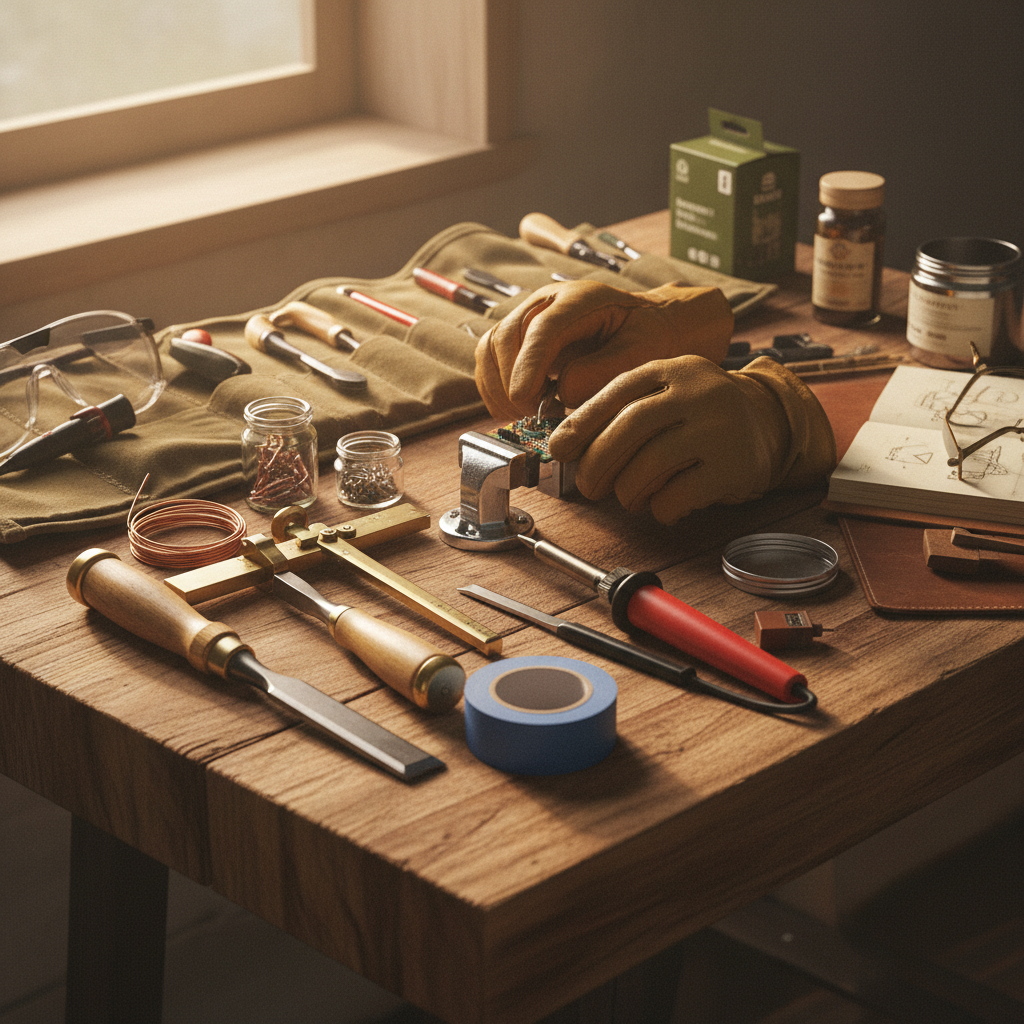
Preparedness extends beyond the walls of your residence. For residents of Box Elder County, a vehicle is often the only shelter available during a severe winter commute. A dedicated winter car kit is a logical extension of your home emergency kit essentials, especially when navigating the unpredictable conditions of I-15 or Highway 89 during a lake-effect snowstorm.
Store these items in a durable, impact-resistant bin in your trunk to prevent them from sliding or becoming damaged: - Ice Scraper and Snow Brush: Select a model with a reinforced handle to withstand heavy, wet snow. - Shovel: A compact metal shovel is far more effective than plastic versions for breaking through frozen slush. - Traction Materials: Keep a container of sand or cat litter to provide grip on icy patches. - Jumper Cables: Cold weather accelerates battery failure; heavy-gauge cables are a necessity. - Thermal Clothing: Pack spare wool socks and hats. Wool is the preferred material because it retains insulating properties even if it gets wet.
Hands-free lighting is a specific requirement for roadside repairs. While a standard flashlight works for searching the cabin, a high-quality headlamp is essential for changing a tire or inspecting an engine in the dark. Utilizing practical products for home and work ensures that your vehicle is equipped with tools that perform under pressure. For those building a kit from scratch, visiting our local retail locations in Box Elder County allows you to handle the gear and ensure it meets your standards for durability.
Maintaining and Storing Your Kit for Long Term Reliability
Building a kit is only half the effort; ensuring it functions when the grid goes down requires consistent maintenance. A reliable strategy is the Seasonal Swap. Every six months, perhaps when the clocks change for Daylight Saving Time, perform a full inventory of your supplies. Check the expiration dates on non-perishable food and rotate items into your daily pantry if they are nearing their end. Replace batteries even if they haven't been used, as the temperature swings in Northern Utah can compromise their charge over time.
Storage conditions directly impact the lifespan of your home emergency kit essentials. Select a cool, dry location away from direct sunlight to prevent the degradation of food quality and tool components. Using clear, labeled bins allows for instant identification during a high-stress event. For smaller, sensitive items like medications or specific dry goods, utilize airtight glass or metal containers. These practical products for home and work offer a superior seal compared to standard plastic bags, effectively locking out moisture and pests. Sourcing a curated selection of everyday essentials from local retail locations in Box Elder County ensures your organization system is as durable as the gear it protects. Consistent upkeep transforms your kit from a static collection of items into a high-functioning resource ready for any local challenge.
Being prepared for emergencies in Box Elder County is not just about gathering supplies; it is about ensuring the safety and security of your family during unpredictable times. Having a stocked kit can make all the difference when local conditions become challenging. If you want expert help customizing your home preparedness plan or choosing the right gear, our team is ready to assist you. You can learn more about our mission and local history on our About page. We are here to help you stay ready.