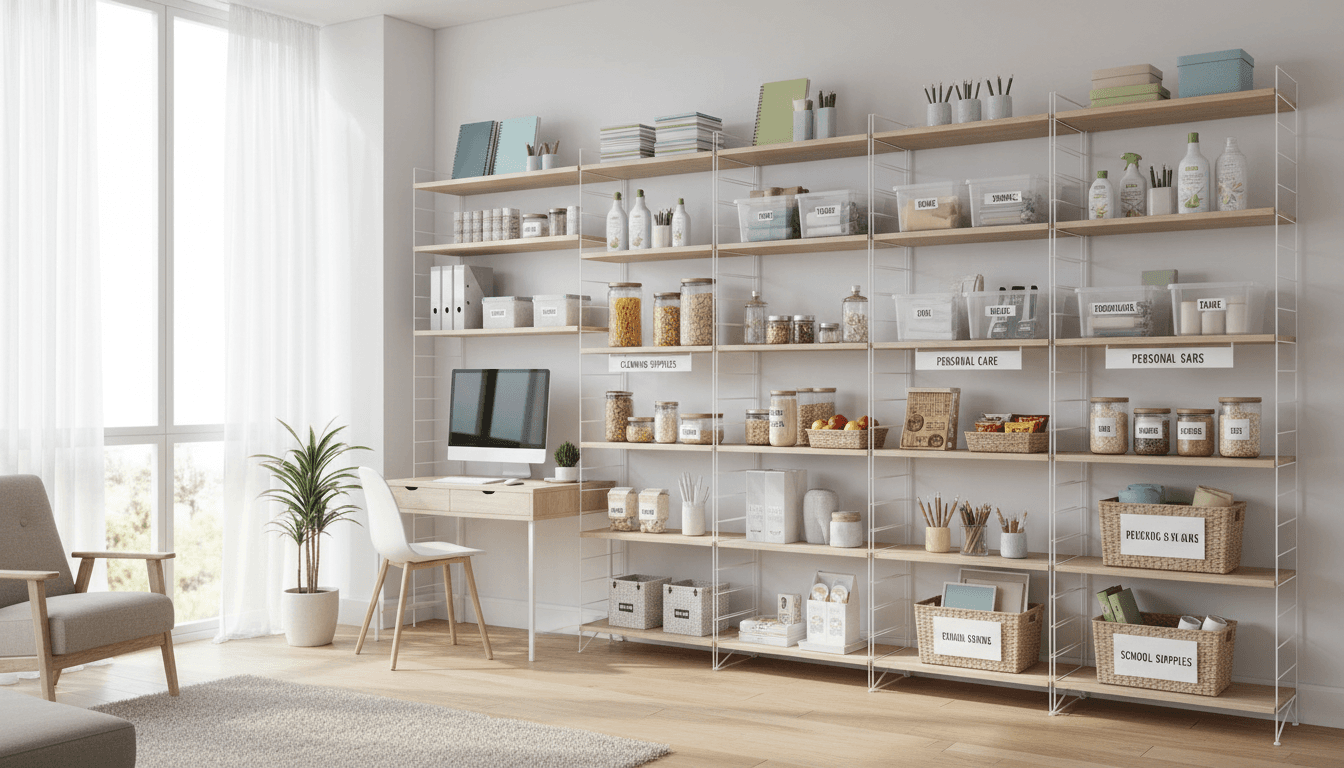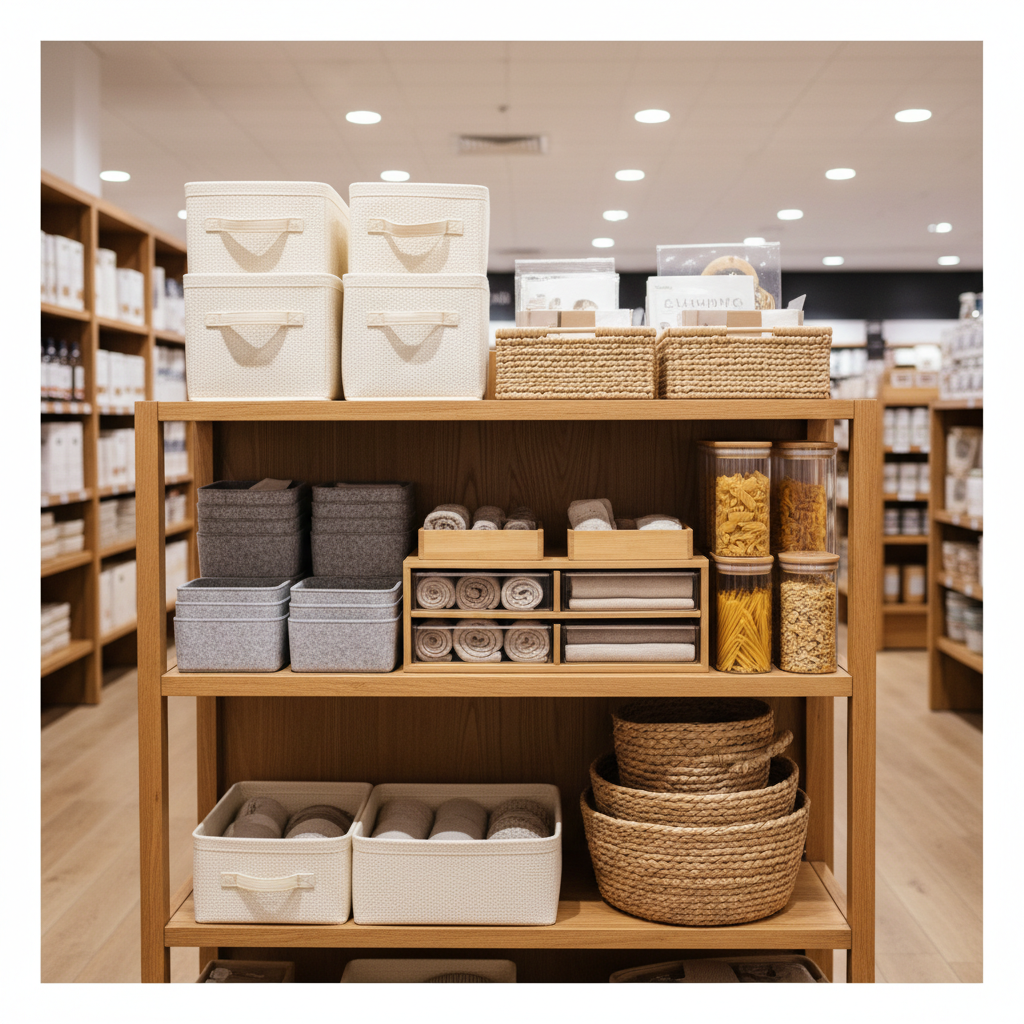
Successful small kitchen organization on a budget relies on maximizing vertical space through magnetic strips and wall-mounted racks for daily essentials. Using clear containers for pantry staples and adding tiered baskets or mobile carts can further optimize limited storage areas; these low-cost strategies keep clutter at bay while improving overall functionality.
Most small kitchens suffer from a paradox where the more organizing tools you buy, the more crowded your workspace feels. You find yourself moving stacks of mismatched bowls just to reach a single pan; this constant friction turns a simple meal into an exercise in frustration. True efficiency in a compact footprint does not require an expensive renovation or a vast collection of acrylic bins. Instead, it requires a disciplined philosophy where every item must earn its place through utility and clever positioning. In this guide, we will explore how to maximize vertical real estate and implement a tiered strategy that prioritizes accessibility. You will learn to manage bulky appliances without a dedicated pantry and discover high impact DIY solutions that respect your budget. Proper organization is about reclaiming your workflow, not just filling your drawers with more stuff.
The Philosophy of Earning Space in a Small Kitchen
Realizing that space is the most valuable asset in a kitchen is the first step toward true efficiency. Effective small kitchen organization on a budget does not start with a shopping spree for every plastic bin on the shelf. Instead, it begins with a rigorous audit of your inventory and a refusal to waste square footage on items that stay buried in the back of a cabinet. While many design galleries suggest a maximalist approach filled with decorative containers, we advocate for a straightforward shopping experience rooted in utility.
At Anders Store, our philosophy centers on quality over quantity. For a product to earn its place in a limited footprint, it must justify its existence through two specific criteria: multi-functionality or the ability to reclaim dead air. If a gadget only performs one niche task, it is likely occupying space that could be better utilized by a curated selection of everyday essentials. If a shelf is half-empty because of its fixed height, that is wasted volume that could be unlocked with the right hardware.
We prioritize value by identifying which products actually solve workflow problems rather than just rearranging clutter into prettier boxes. This mindset ensures your budget is spent on high-impact solutions that make daily meal preparation easier. By focusing on products that work twice as hard, you can transform a cramped kitchen into a high-functioning workspace without the need for expensive custom cabinetry or excessive furniture.
Stop Buying Bins and Start Using Vertical Space
To achieve effective small kitchen organization on a budget, you must stop looking at the floor and start looking at the walls. When your cabinets are full or entirely absent, the most underutilized real estate in your home is the vertical space between the counter and the ceiling. This approach is not about adding bulk; it is about using affordable hardware to unlock functionality that expensive, floor-based furniture cannot provide.
Magnetic knife strips are one of the most versatile tools for this strategy. Instead of a bulky knife block that consumes eight inches of counter space, a wall-mounted magnetic bar holds your knives securely. However, their utility extends further. You can use them to store metal spice tins, kitchen shears, or even metal measuring spoons. This clears out drawer space for items that cannot be hung, such as linens or wooden rolling pins.
Wall-mounted rails paired with S-hooks offer a similar high-impact solution for pots, pans, and large utensils. This addresses the common struggle of how to organize a small kitchen without cabinets by moving bulky items out of the workflow and onto the wall. The key to maintaining a straightforward shopping experience and an orderly kitchen is to avoid decorative wall clutter. Only hang items you use daily or weekly. If an object is purely aesthetic, it is stealing space from a tool that could be making your life easier.
Focusing on vertical hardware is often more budget-friendly than buying specialized storage furniture. A heavy-duty rail or a magnetic strip is a one-time purchase that provides immediate access to your curated selection of everyday essentials. By emphasizing quality over quantity with your hardware choices, you create a kitchen that feels open and professional rather than cramped and chaotic.
Small Kitchen Organization on a Budget Without Clutter: The Tiered Strategy

Moving from the walls into the cabinets, the primary obstacle to efficient small kitchen organization on a budget is the depth of standard shelving. Most kitchen cabinets are deep enough to swallow jars and cans, leading to a common financial drain: repurchasing items you already own because they were hidden behind a box of pasta. The solution is the tiered strategy, which focuses on visibility and the "double your shelf" concept.
Wire shelf risers are the most practical investment for this problem. By inserting a simple metal riser, you effectively create two layers of usable space within one shelf height. This prevents the stack and crash cycle where you pile plates or canned goods on top of each other, making the bottom items inaccessible. This approach aligns with our commitment to a straightforward shopping experience; it is about using simple, durable hardware to maximize what you already have.
For smaller items like spices or condiments, tiered organizers, often referred to as stadium seating, are essential. They eliminate the black hole effect of deep cabinets. When you can see the labels of every jar at a glance, you avoid the waste of buying duplicates, which supports our mission of providing fair pricing and value.
Storage Tool | Primary Function | Best Use Case |
|---|---|---|
Wire Shelf Riser | Unlocks vertical space in tall cabinets | Stacking plates, bowls, or canned goods |
Tiered Spice Rack | Creates visibility for small containers | Spices, extracts, or small jars |
Lazy Susan | Provides access to corner depths | Oils, vinegars, or heavy jars |
To implement this correctly, group your curated selection of everyday essentials by height. Place the tallest items in the back on the highest tier and the shortest items in the front. This simple audit ensures that no product is ever truly out of sight, upholding the principle of quality over quantity by ensuring every item you own is actually used and not forgotten in the shadows.
How to Organize a Small Kitchen Without a Pantry
Achieving effective small kitchen organization on a budget without a built-in pantry requires identifying overlooked square footage, specifically the space behind doors and the narrow gaps between appliances. A high-quality back-of-door organizer creates an external pantry without occupying any floor space. By utilizing adjustable wire racks on the interior of a closet or kitchen door, you can store everything from jars of pasta sauce to boxes of cereal in plain sight. This keeps heavy items off your limited counter space and ensures frequently used ingredients remain accessible.
If door space is unavailable, a dedicated slim rolling cart is a superior alternative to crowded cabinets. These units are typically five to eight inches wide, allowing them to slide into the dead space next to a refrigerator or at the end of a counter run. This provides a portable, tiered storage system for oils, vinegars, and dry goods that would otherwise clutter your primary workspace. Because these carts are mobile, they offer a flexible layout that can be tucked away when not in use, maintaining a straightforward shopping experience and an uncluttered environment.
To maximize these narrow storage solutions, transition dry goods into clear, stackable containers. While this is often framed as a design trend, it is a functional strategy essential for managing inventory. Clear containers allow you to monitor stock levels at a glance. When you can see exactly how much flour or rice is left, you avoid the common pitfall of over-shopping. This precision prevents food waste and ensures your budget is spent only on what you truly need, reinforcing our commitment to quality over quantity and fair pricing.
Storage Method | Best For | Primary Benefit |
|---|---|---|
Back-of-Door Rack | Canned goods, spices, and jars | Uses zero floor space |
Slim Rolling Cart | Oils, tall bottles, and heavy staples | Utilizes appliance gaps |
Stackable Bins | Grains, flour, and pasta | Prevents double-buying |
Integrating these tools allows you to maintain a curated selection of everyday essentials without the need for a dedicated room. It transforms the pantry from a luxury into a functional system integrated into the existing flow of your kitchen, ensuring every square inch is optimized for daily use.
Managing Appliances and Bulky Items in Limited Square Footage
Managing appliances requires a strict boundary between work surfaces and storage zones. For effective small kitchen organization on a budget, your countertop should be reserved exclusively for the tools you touch daily, such as a coffee maker. Every other appliance must be stored out of sight. Under-sink organizers or retrofitted pull-out drawers are excellent for housing heavy mixers or blenders, keeping them accessible but off the primary workspace.
To prevent gadget creep, implement the One In, One Out rule. If you bring a new air fryer into the home, an older, less-used item must be donated or sold. This discipline ensures a curated selection of everyday essentials rather than a graveyard of niche tools. Similarly, use a Seasonal Rotation strategy. A heavy slow cooker earns its cabinet spot in the winter, but it should be moved to high-shelf storage or a utility closet during the summer to make room for a blender or salad spinner.
Sometimes the best storage strategy is a hard edit of your inventory. Niche tools that perform only one task often steal space from more versatile equipment. Prioritizing quality over quantity means keeping only what serves multiple purposes. This commitment to utility over novelty creates a straightforward shopping experience when it is time to upgrade, as you only replace what is truly necessary for your daily workflow.
DIY Kitchen Storage Ideas: High Impact and Low Cost

Once the heavy lifting of editing and zoning is complete, the final phase of achieving small kitchen organization on a budget involves repurposing industrial hardware for custom utility. These solutions avoid a cluttered aesthetic, focusing instead on durability and immediate access to tools.
Tension Rods for Under-Sink Efficiency: Install a heavy-duty tension rod across the top of your under-sink cabinet. Hanging cleaning spray bottles by their triggers clears the cabinet floor for bulky detergent jugs or bins. This simple fix utilizes the often-wasted air space near the plumbing.
Magazine Files for Wraps and Foils: Repurpose metal or sturdy plastic magazine files to hold boxes of aluminum foil, parchment paper, and plastic wrap. This keeps them upright and prevents the common problem of crushed boxes at the bottom of a drawer or shelf.
Pegboards for Modular Tool Access: A wall-mounted metal pegboard provides a clean, professional way to store pans and utensils. It emphasizes quality over quantity by keeping only your most-used tools at eye level and within arm's reach.
DIY Solution | Primary Benefit | Estimated Cost |
|---|---|---|
Tension Rod | Reclaims overhead sink space | Low |
Magazine File | Organizes tall, thin boxes | Minimal |
Metal Pegboard | Customizable tool storage | Moderate |
These high-impact adjustments support a straightforward shopping experience by ensuring your curated selection of everyday essentials is always visible and ready for use. By choosing functional hardware over decorative bins, you build a kitchen that prioritizes long-term value over temporary trends.
Maximizing a small kitchen does not require an endless budget or every trendy gadget on the market. By focusing on a few versatile supplies that truly earn their place, you can transform your cooking space into a functional and peaceful environment. If you find your layout particularly challenging or simply want expert help to refine your vision, our team is ready to assist. You can learn more about our philosophy and design services to see how we help clients create efficient, beautiful homes.