
An effective cleaning supplies checklist includes essential tools like a vacuum, microfiber cloths, and a multipurpose cleaner to handle most household tasks with minimal products. By focusing on versatile items such as a broom, mop, and basic surface cleaners, you can maintain a spotless home without unnecessary clutter. This streamlined kit simplifies your routine while ensuring every room remains thoroughly cleaned and organized.
Most cleaning cabinets are a graveyard of half-used bottles and specialized chemicals that promise much but deliver little. This clutter does not just take up space; it creates decision fatigue and complicates a task that should be straightforward. A professional grade result does not require a dozen different cleaners. It requires a curated selection of high quality essentials that work harder for you. By refining your kit, you regain control over your home maintenance and ensure every surface receives the proper care it deserves. In this guide, we will outline the core multipurpose liquids and hard goods necessary for a complete kit. You will discover how to streamline your supplies for every room, including specific strategies for addressing Box Elder County grime and professional tips like the 6 10 rule to maximize your efficiency.
Why Your Cleaning Cabinet Needs a Curation Overhaul
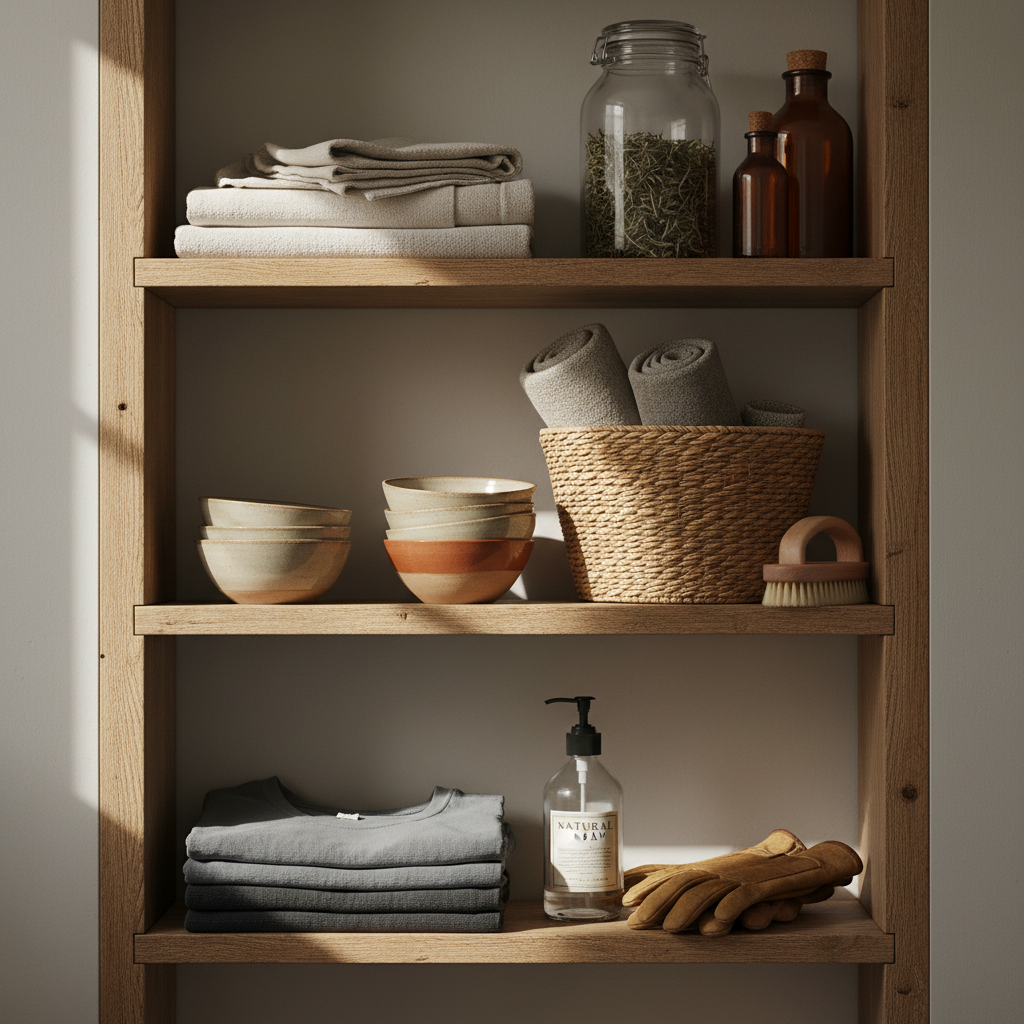
Walking into a typical cleaning aisle can be overwhelming. Big box retailers often push a specialized solution for every square inch of your home, resulting in a cabinet cluttered with twenty different plastic bottles that rarely get used. This creates decision fatigue. When you stand before a mess, you shouldn't have to debate which niche chemical is safe for which surface or search through a crowded shelf for a specific label.
At Anders Store, our approach to a cleaning supplies checklist focuses on quality over quantity. We believe in a thoughtfully selected home inventory where every item earns its place through versatility and performance. Instead of the generic retail mentality that encourages buying everything, we advocate for a curated, functional kit designed to handle 95 percent of household tasks with just a few high-quality essentials. You can learn more about our local retail mission and how we prioritize practicality for our Box Elder County neighbors.
Streamlining your supplies does more than just save physical space under the sink; it makes the act of cleaning more efficient. By investing in fewer, more effective tools, you eliminate the guesswork and ensure your home is maintained without unnecessary chemical exposure or waste. Moving toward a professional, simplified toolkit is the first step in building a better, more manageable home maintenance routine.
The Core Multipurpose Liquid Essentials
Building a functional kit begins with the chemistry of your cleaning cabinet. Most household tasks are solvable with three primary liquid workhorses. By prioritizing professional-grade concentrates over pre-mixed retail sprays, you regain control over your quality home essentials. A high-quality concentrate allows you to adjust the dilution ratio based on the specific task, often outperforming five specialized bottles while significantly reducing under-sink clutter.
The first essential is a high-quality pH-neutral all-purpose cleaner. This is the foundation of any cleaning supplies checklist because it is safe for sensitive surfaces like sealed stone, finished wood, and matte paint. It effectively lifts daily dust and grime without leaving a hazy residue or etching the finish of your furniture and countertops.
Next, every home requires a dedicated disinfecting agent. While the all-purpose cleaner handles visible dirt, the disinfectant is reserved for high-touch surfaces where pathogens linger, such as door handles, light switches, and remote controls. Using this strategically, rather than spraying it on every surface, preserves your finishes and ensures the chemical has the proper dwell time to be effective against germs.
The final liquid pillar is a specialized degreaser. Kitchen surfaces, particularly around the stove and range hood, accumulate polymerized oils that a standard spray cannot penetrate. A dedicated degreaser breaks these chemical bonds, saving you from excessive scrubbing that can damage appliance finishes.
To manage these liquids efficiently, we recommend investing in refillable glass spray bottles. Glass is non-reactive, meaning it will not leach chemicals or absorb scents over time. It also provides a weight and durability that plastic cannot match. When paired with clear labeling, these bottles transform a chaotic collection of mismatched plastic into a streamlined, professional system that is both sustainable and highly functional for daily use.
Hard Goods: The Best Cleaning Tools for a New Home

While professional-grade liquids do the heavy lifting, the physical tools in your cleaning supplies checklist dictate the speed and ergonomics of the job. Choosing durable hardware eliminates the cycle of replacing flimsy plastic tools every few months. At Anders Store, we advocate for quality home essentials that provide commercial-level results in a residential setting, specifically focusing on the "Big Four" hard goods.
Start with a commercial-grade broom and a long-handled dustpan. A dustpan that stays open and sits flush against the floor prevents the frustration of the "dust line" often left behind by thin, retail-grade alternatives. For flooring, move away from traditional string mops in favor of a microfiber mop system. These systems utilize interchangeable pads; a dry fringe pad works for high-efficiency dusting, while a dense weave wet pad handles deep cleaning. Because these pads are machine-washable, they provide a sustainable, long-term solution compared to disposable sheets.
A versatile vacuum is the most significant investment in your kit. We recommend prioritizing a model with a HEPA (High-Efficiency Particulate Air) filter. This ensures that fine dust and allergens are trapped within the canister rather than exhausted back into your living space, which is critical for maintaining air quality in a new home.
Finally, stock a dedicated set of microfiber cloths. To maintain professional hygiene standards and prevent cross-contamination, implement a color-coding system:
Blue: Mirrors, glass, and polished chrome to ensure a streak-free finish.
Yellow: Bathroom surfaces and fixtures.
Green: Kitchen counters and food preparation areas.
Red: High-risk zones, such as the area around the toilet.
This systematic approach ensures you never use the same cloth on your kitchen table that you previously used in the bathroom, keeping your home both visually clean and truly sanitary.
Essential Cleaning Supplies Checklist for Every Room
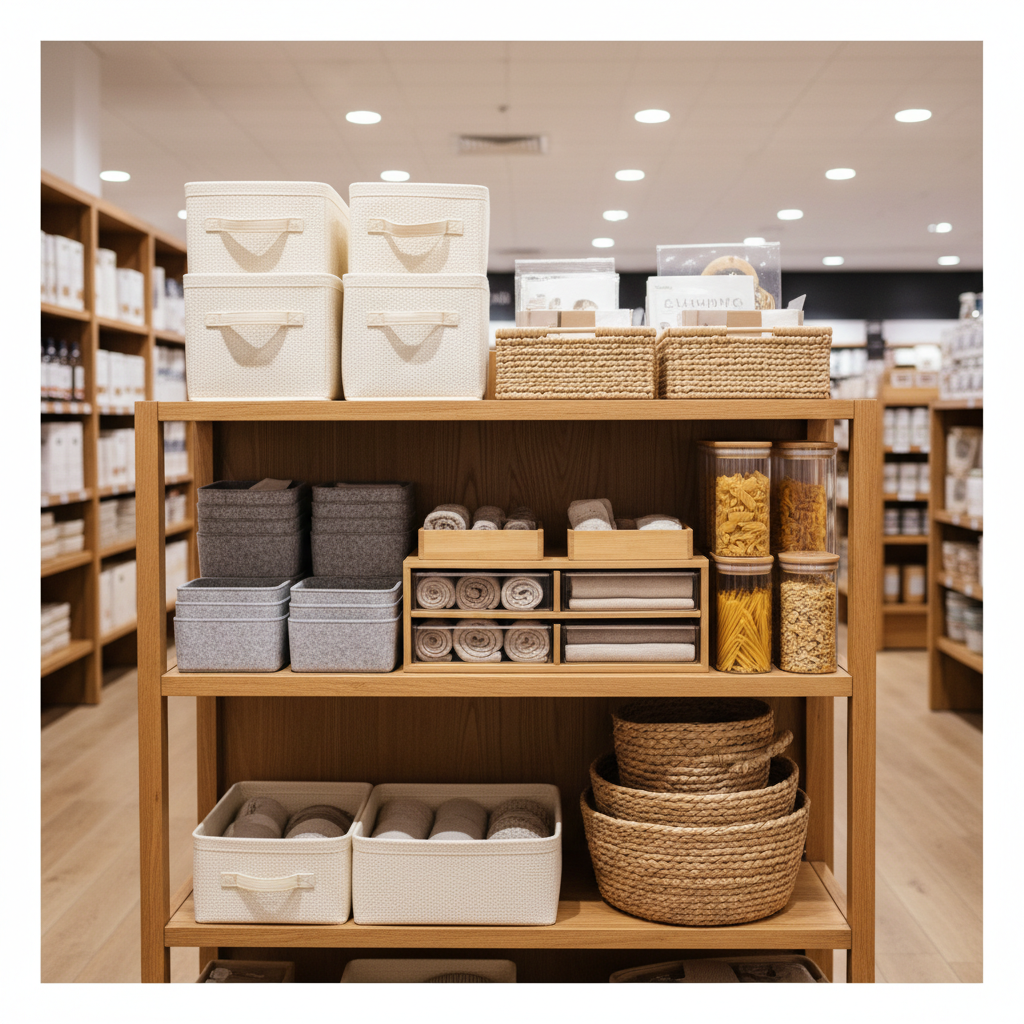
While the Big Four tools handle the structure of your home, specific rooms present unique chemical and mechanical challenges. A professional cleaning supplies checklist organizes these needs by zone to prevent over-purchasing and ensure you always have the right solution for the task at hand.
In the kitchen, the focus is on breaking down organic matter and proteins. Beyond the all-purpose cleaner and degreaser mentioned previously, your kit needs a high-concentration dish soap and heavy-duty abrasive sponges. These sponges provide the necessary friction to remove carbonized food from cast iron or stainless steel. Using quality tools here reduces the need for harsh corrosive chemicals that can damage your cookware or stone surfaces over time.
The bathroom requires a more targeted approach to manage moisture and minerals. A reliable toilet bowl cleaner is necessary to combat biological stains. Pair this with a dedicated non-scratch scrub brush. Unlike traditional stiff bristles that can create microscopic etches in porcelain or fiberglass, a non-scratch brush maintains the integrity of your fixtures while still providing enough agitation to clean effectively.
For living areas, the priority shifts to visibility and air quality. This includes a streak-free glass cleaner for windows and mirrors, and high-reach dusters for ceiling fans and crown molding. When selecting these items for your thoughtfully selected home inventory, prioritize tools that trap dust rather than redistributing it into the air.
If you are performing an initial move-in cleaning, your checklist should extend to mechanical maintenance. A critical professional step often overlooked is inspecting filters and seals. Check the rubber gaskets on the refrigerator and dishwasher for mold or debris. Additionally, replace the HVAC filters and clear the dryer vent immediately. Starting your residency with clean mechanical systems is as vital to your health as scrubbing the floors. Maintaining these quality home essentials from day one ensures the long-term efficiency and hygiene of your new space.
Tackling Box Elder County Grime, Local Cleaning Considerations
Maintaining a home in Box Elder County introduces specific environmental variables that a generic cleaning supplies checklist often ignores. The fine dust from the valley floors can infiltrate window tracks and settle on high surfaces, requiring frequent dusting with high-quality microfiber. During Northern Utah winters, the combination of road salt and heavy mud tracked into entryways creates a unique challenge. Standard soaps often fail to neutralize the alkaline nature of salt; consequently, we recommend keeping a dedicated heavy-duty entryway mat and a pH-balanced stone cleaner to protect tiled floors from etching.
Hard water is the most persistent local issue. The high mineral content in the Bear River Basin and surrounding areas leads to stubborn calcium and magnesium buildup on showerheads, faucets, and glass partitions. A standard all-purpose spray will not dissolve these deposits. Instead, your kit should include acidic agents such as white vinegar or citric acid cleaners. These substances break down the mineral bonds that cause white scale. For tougher buildup, a mild abrasive cleaner or a specialized descaling agent is necessary to restore clarity to your fixtures. By adapting your thoughtfully selected home inventory to address these specific Northern Utah conditions, you ensure your quality home essentials work as hard as you do.
The 6 10 Rule and Other Strategic Cleaning Tips
Maintaining a clean home depends on consistent habits supported by a simplified workflow. Many professional organizers suggest the 6/10 rule, which prioritizes six non-negotiable daily tasks, such as clearing the sink and wiping counters, alongside ten broader tasks completed once per week. For those with tighter schedules, the 5 5 5 rule involves spending five minutes on three different tasks each day to maintain a baseline of order.
A curated cleaning supplies checklist makes these routines significantly faster. When you possess a thoughtfully selected home inventory rather than a cabinet full of niche products, you eliminate the mental load of choosing the right cleaner. Speed in cleaning comes from the physical performance of quality home essentials, not the diversity of your chemicals. A high-quality microfiber mop or a well-engineered vacuum removes debris in a single pass, allowing you to complete your daily six or weekly ten without unnecessary repetition. Focusing on better tools rather than more bottles transforms home maintenance from a chore into a quick, predictable routine.