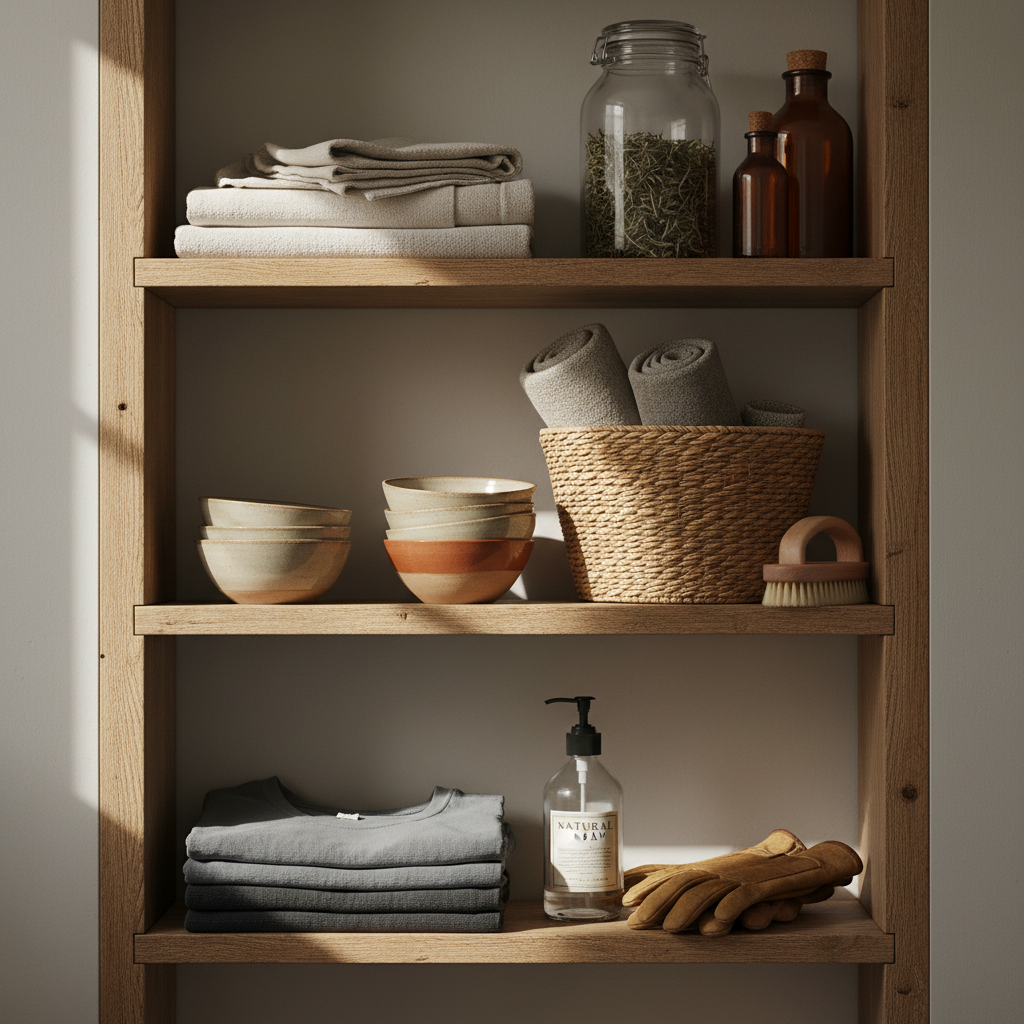
Knowing when to replace household items depends on the specific product; for instance, kitchen sponges should be swapped every two weeks and toothbrushes every three months. Larger essentials like pillows usually last one to two years, while safety items like water filters and fire extinguishers require regular monitoring for performance. Keeping a consistent schedule based on hygiene and safety standards ensures your home remains clean and functional.
We often overlook the silent degradation of the objects we rely on most, assuming a favorite frying pan or a set of pillows will serve us indefinitely. However, worn surfaces and expired safety components are more than minor inconveniences; they are subtle risks to your household hygiene and personal well-being. At Anders Store, we believe that true domestic excellence is found in the details of maintenance and the wisdom of knowing when an item has reached its limit. This guide provides a definitive roadmap for your home, covering everything from the critical expiration dates of pantry staples to the structural integrity of your linens and smoke detectors. You will learn how to optimize your environment for safety, comfort, and longevity, ensuring your home remains a pristine sanctuary rather than a collection of aging assets.
The Importance of Timing: Hygiene, Safety, and Saving Money
Managing a home effectively requires understanding the lifespan of the tools and goods we use daily. Knowing when to replace household items is not merely a matter of shopping; it is a vital component of maintaining a hygienic and safe environment for your family. At Anders Store, we advocate for a quality over quantity mindset. By choosing a curated selection of everyday essentials, you ensure that your belongings perform their functions longer and more safely than mass produced alternatives.
Timing these replacements is a delicate balance. Waiting too long allows for bacteria buildup in kitchen tools or structural degradation in safety equipment. Conversely, discarding items prematurely is a waste of resources and money. For residents in Box Elder County, local conditions demand extra attention. Our regional hard water can accelerate the buildup of mineral deposits in filters and appliances; meanwhile, the dust from seasonal agricultural shifts often requires more frequent filter changes to maintain air quality. By following a structured replacement schedule, you can avoid these pitfalls. We aim to provide a straightforward shopping experience that focuses on the practical needs of Utah homes, ensuring you have the right products exactly when they are needed, without the guesswork.
Kitchen Essentials: More Than Just the Expiration Date

The kitchen is the most high traffic area of the home, which makes it the primary front in the battle against domestic bacteria. The most frequent debate involves sponges versus dishcloths. While sponges are convenient, their porous nature traps moisture and food particles, creating a breeding ground for pathogens. You should replace sponges every one to two weeks. If you prefer dishcloths, ensure they are laundered in hot water daily to remain a hygienic alternative.
Cutting boards also require a discerning eye. Whether you use wood or plastic, the surface eventually develops deep grooves from knife blades. Once these scores become too deep to be thoroughly sanitized, the board must be replaced to prevent cross contamination. Similarly, nonstick cookware has a finite lifespan. When the coating begins to flake, peel, or shows deep scratches, the pan loses its functionality and can release unwanted materials into your food.
For homeowners in Box Elder County, water filtration is a specific priority. Our local hard water contains minerals that can quickly saturate filters. To maintain water quality and protect your appliances, replace pitcher or refrigerator filters every two to six months, depending on your household's consumption levels.
Item | Recommended Replacement Cycle | Signs of Failure |
|---|---|---|
Kitchen Sponges | 1 to 2 Weeks | Odor, discoloration, or heavy use |
Water Filters | 2 to 6 Months | Slower flow, change in taste |
Nonstick Pans | 2 to 5 Years | Flaking, pitting, or sticking |
Plastic Cutting Boards | 1 to 3 Years | Deep, permanent knife grooves |
While many items require regular rotation, we advocate for investing in tools that defy these cycles. High quality stainless steel and seasoned cast iron are cornerstones of a curated selection of everyday essentials. When maintained correctly, these materials can last a lifetime, offering a straightforward shopping experience where you buy once and rely on the product for decades. Understanding when to replace household items allows you to prioritize these long term investments over disposable goods.
Pantry Staples: When Do Your Essentials Actually Expire?
While hardware and tools have visible signs of wear, the pantry requires a different kind of vigilance. Some items, such as honey, white rice, and salt, possess an indefinite shelf life if stored in a cool, dry place. However, most pantry staples undergo a quiet degradation that affects both flavor and performance.
Ground spices are frequently overlooked; they generally lose their potency within 6 to 12 months. If your cinnamon or cumin lacks a sharp aroma when opened, it will not deliver the expected results in your cooking. Similarly, vegetable oils can go rancid within 6 months of opening due to oxidation. Perform a simple sniff test: if the oil smells like old cardboard or crayons, it has turned and should be discarded.
Baking powder is another critical item with a limited lifespan of 6 to 12 months. To verify its efficacy, conduct a water test: stir half a teaspoon of baking powder into a small amount of hot water. Immediate, vigorous bubbling indicates it is still active. If the reaction is weak, your baked goods will fail to rise.
Safety is also a factor with canned goods. While many have long expiration dates, you must inspect the packaging itself. Discard any cans with deep dents, rusted seams, or bulging lids, as these are signs of compromised seals or potential bacterial growth.
Managing your pantry is easier when you start with a curated selection of everyday essentials. By choosing high quality ingredients and maintaining a regular rotation, you ensure your kitchen remains efficient. This straightforward shopping experience helps you focus on what truly needs refreshing, clarifying when to replace household items before they impact your health or the quality of your meals.
Bathroom Basics: Maintaining Personal Care Timelines
Moving from the pantry to the bathroom shifts the focus from what we consume to what we apply directly to our skin and teeth. Maintaining a strict schedule for these personal care items is essential for preventing skin irritation and infections. The most critical item in this category is the toothbrush. According to dental health standards, you should replace your toothbrush or power brush head every three to four months. Frayed bristles do not clean effectively; moreover, brushes should be discarded immediately following a recovery from a cold or flu to avoid reintroducing bacteria to your system.
Bathing accessories like loofahs and bath sponges are notorious for harboring bacteria because they remain damp in high humidity environments. Natural loofahs provide a porous structure where mold can thrive, necessitating replacement every three to four weeks. Synthetic sponges are slightly more resilient but should still be swapped every six weeks to ensure your cleaning tools are not actually spreading germs.
Bathroom Item | Replacement Frequency | Primary Reason |
|---|---|---|
Toothbrush | 3 to 4 Months | Bristle wear and bacterial growth |
Natural Loofah | 3 to 4 Weeks | Mold and mildew accumulation |
Synthetic Mesh Sponge | 6 Weeks | Bacterial buildup |
Bath Towels | 2 to 5 Years | Loss of absorbency and odor |
Linens require a different approach. While a towel can physically last for years, it loses its functional value when the fibers break down and absorbency drops. If a towel develops a persistent musty smell that remains after a hot laundry cycle, it is a sign of bacterial biofilm buildup. Anders Store offers a curated selection of everyday essentials featuring high quality linens with superior weight and weave. These professional grade products provide a straightforward shopping experience by ensuring you invest in textiles that maintain their integrity longer than budget alternatives, helping you manage when to replace household items with a focus on long term value.
Bedroom and Linens: The Science of Better Sleep
While bathroom hygiene impacts daily cleanliness, bedroom maintenance involves longer cycles that directly affect spinal health and respiratory wellness. Pillows should be replaced every one to two years. Over time, they accumulate dust mites, skin cells, and moisture; furthermore, the internal filling eventually loses the ability to properly support the neck and head. You can perform a simple fold test to check your pillow's integrity. Fold the pillow in half and hold it for thirty seconds. If it does not spring back to its original shape immediately upon release, the material has lost its resiliency and no longer provides adequate support.
Mattresses require a larger investment and typically last between seven and ten years. However, calendar dates are less important than physical performance. You should consider a replacement if you notice visible sagging, permanent body impressions, or if you consistently wake up with back pain and stiffness. In Box Elder County, where seasonal temperature shifts can affect the density of materials like memory foam, monitoring these physical signs is crucial.
Anders Store provides a curated selection of everyday essentials designed for durability and comfort. Investing in high quality bedding ensures you are securing better sleep rather than just buying a temporary fix. Our straightforward shopping experience helps you identify when to replace household items that have reached the end of their functional life, ensuring your bedroom remains a healthy sanctuary for rest.
Home Maintenance and Safety: The Non-Negotiable Schedule

Safety items require a strict adherence to schedules because their failure has high stakes. Smoke detectors have a finite lifespan, generally ten years, after which the sensors lose reliability. You should check the manufacture date on the back of each unit to confirm its age. Similarly, fire extinguishers should be replaced every decade. It is a best practice to check the pressure gauge monthly to ensure the needle remains in the green zone.
In Box Elder County, furnace filters are critical for both air quality and HVAC efficiency. The local climate, characterized by high pollen counts and occasional wildfire smoke, necessitates a replacement at least every three months. During peak seasons, monthly changes may be required to protect your system from mechanical strain.
Safety Item | Replacement Frequency | Maintenance Action |
|---|---|---|
Smoke Detector | 10 Years | Test monthly; replace batteries yearly |
Fire Extinguisher | 10 Years | Check pressure gauge monthly |
Furnace Filter | 3 Months | Check monthly during wildfire season |
Power Strips | 5 Years | Replace immediately if warm to touch |
Electrical safety often goes overlooked. Power strips are not permanent fixtures; they should be replaced every five years. If a strip feels warm to the touch or shows signs of discoloration, it is a fire hazard and needs immediate disposal. By integrating these checks into your routine, you gain a straightforward shopping experience that prioritizes protection. We offer a curated selection of everyday essentials to help you manage when to replace household items that keep your family secure.
Sustainability and Value: When to Repair Instead of Replace

Maintaining a functional home involves a commitment to preservation alongside timely upgrades. Regular maintenance can significantly extend the lifespan of a curated selection of everyday essentials. Simple actions, such as cleaning a dishwasher filter monthly or descaling a coffee maker to combat mineral buildup, prevent premature motor failure and save hundreds of dollars in appliance costs.
When a malfunction occurs, apply the fifty percent rule: if the cost of a professional repair exceeds half the price of a new, high-quality replacement, it is time to move on. This practical logic supports a straightforward shopping experience by ensuring you invest your budget only when necessary. Mastering when to replace household items ultimately requires balancing consistent care with the wisdom of knowing when an item has truly reached its functional limit.