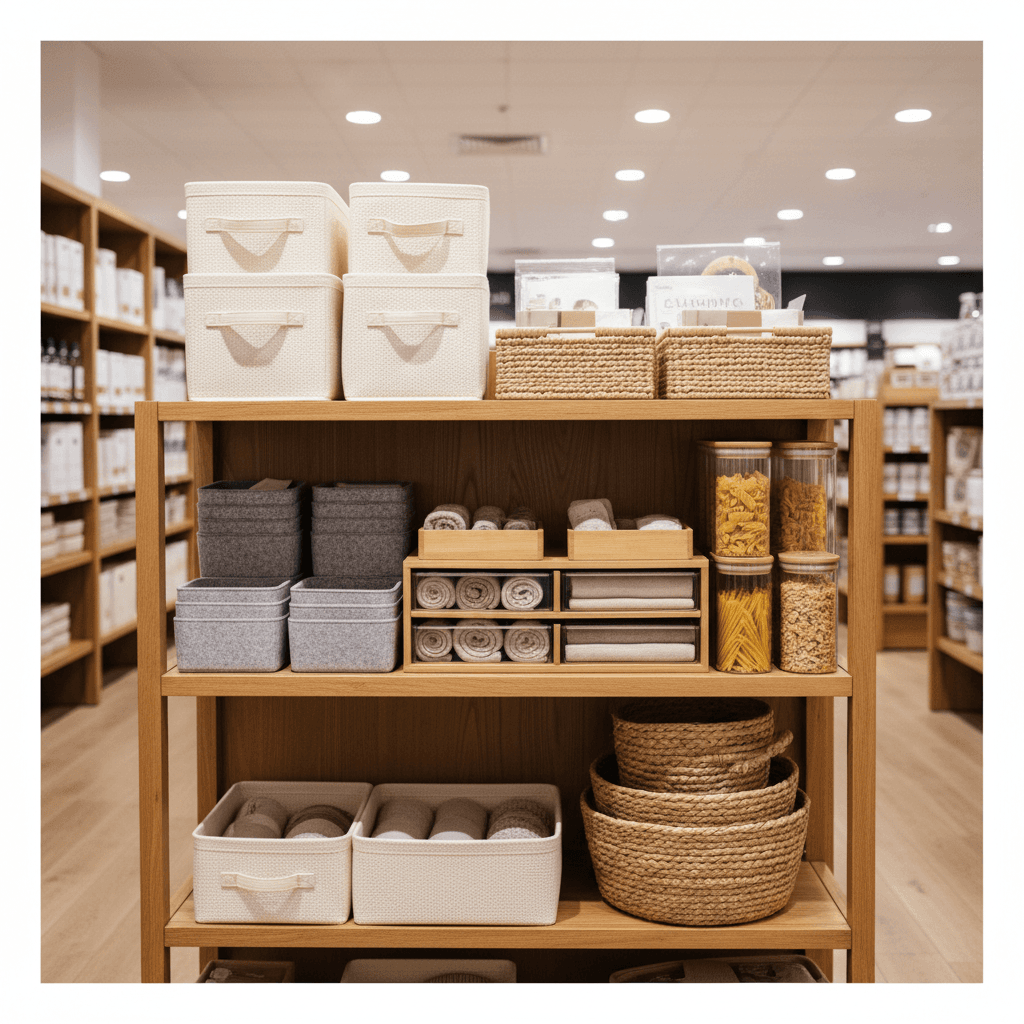
A comprehensive laundry essentials checklist includes high-quality detergent, wool dryer balls, and specialized hampers to streamline garment care. For long-lasting clothes, combine these supplies with habits like washing in cold water and using pre-measured detergent to prevent fabric damage or residue buildup. Together, these tools and practices ensure a functional, organized, and effective home laundry routine.
Few things are more discouraging than discovering a beloved garment has lost its shape, color, or texture due to a simple oversight in the laundry room. These common mishaps represent more than just a minor inconvenience; they are a direct erosion of the investment you have made in your wardrobe. Mastery over your laundry routine is the most effective way to preserve the integrity of your textiles over time. This guide outlines a curated selection of supplies that deserve a permanent spot on your shelf, moving beyond cluttered cabinets to focus on what actually works. You will discover the technical advantages of using fewer consumables, the four non negotiable rules of sorting, and professional strategies for navigating the hard water challenges unique to Box Elder County. By streamlining your tools and refining your habits, you can ensure your clothing remains in pristine condition for years to come.
The Essential Laundry Supplies Checklist: What Actually Earns Its Place

A crowded laundry shelf often signals a waste of money rather than a commitment to cleanliness. At Anders Store, we advocate for a curated selection of everyday essentials that deliver results through quality rather than volume. Many big box lists include specialty chemicals that provide little more than fragrance, but our approach prioritizes practical products for home that protect your wardrobe and your budget. By focusing on high performance items, you create a straightforward shopping experience and a more efficient chore routine.
Maintaining a high functioning laundry room starts with a realistic laundry essentials checklist that prioritizes utility over sheer volume. The goal is to own fewer things that work harder. This avoids the common mistake of buying 'boutique' accessories that look nice on a shelf but do nothing to actually clean or preserve your clothing.
Category | Essential Item | Practical Purpose |
|---|---|---|
Consumable | Concentrated Detergent | Eliminates the need for bulky, water heavy bargain jugs filled with fillers. |
Consumable | Multi-Enzyme Stain Remover | One versatile solution replaces half a dozen fabric specific sprays. |
Durable | Wool Dryer Balls | Reduces static naturally while significantly shortening machine run time. |
Durable | Mesh Laundry Bags | Acts as a vital barrier against snags, tears, and the common issue of lost socks. |
Durable | Sturdy Drying Rack | Saves energy and prevents heat damage to elastic fibers in the dry Utah climate. |
Selecting durable tools over temporary fixes ensures that your investment in your wardrobe is protected. Rather than purchasing a designer hamper that offers little more than style, choose a ventilated, sturdy option that prevents mildew. This foundational list ensures every item in your laundry room earns its place through daily performance and long term value.
Consumables: Why Less is More for Your Fabric and Wallet
Modern washing machines and detergents are engineered to work at high efficiency with minimal water. One of the most common errors we see is the "more is better" approach to pouring detergent. In reality, using more than two tablespoons of a high-quality concentrate creates an oversudsing effect. These excess bubbles suspend dirt and oils above the drain line rather than flushing them away, eventually redepositing grime back into the fabric and causing a musty odor in the machine drum. Over time, this residue builds up on internal sensors and seals, leading to costly repairs.
A straightforward shopping experience involves choosing a concentrated detergent over bargain jugs filled with water and sodium sulfate fillers. While a large container might seem like a better value, these fillers offer no cleaning power and can actually irritate sensitive skin. A concentrated formula provides more cleaning enzymes per ounce, which means you store less and waste less. This efficiency is a hallmark of a curated selection of everyday essentials that prioritize performance over packaging size.
We also recommend avoiding the recent trend of synthetic scent boosters. These products typically rely on paraffin-based or waxy additives that coat fabric fibers to lock in fragrance. Over time, this buildup makes towels less absorbent and ruins the moisture-wicking properties of performance fabrics. For those looking for practical products for home, a single multi-enzyme stain remover is far more effective than a shelf full of specialty sprays. A high-quality enzyme cleaner targets proteins, starches, and lipids simultaneously. This versatility allows you to simplify your laundry essentials checklist while ensuring that everything from grass stains to cooking grease is handled by one reliable bottle. By focusing on enzyme-based chemistry rather than fragrance, you protect the integrity of your clothing fibers while achieving a deeper clean.
Durable Tools: Protecting Your Investment in Clothing
While choosing the right liquids is vital, the physical tools you use during the wash and dry cycles dictate how long your garments actually last. A truly effective laundry essentials checklist focuses on hardware that minimizes mechanical wear and heat exposure. Start with wool dryer balls. Unlike single-use dryer sheets that coat fibers in a waxy, synthetic film, wool balls physically separate clothing as it tumbles. This increases airflow, which reduces drying time by up to 25 percent and naturally dissipates static without adding chemical residues to your towels or athletic wear.
Mesh laundry bags are another non-negotiable for anyone looking for practical products for home. These bags act as a protective barrier, preventing bra hooks or zipper teeth from snagging other garments. They also solve the persistent problem of "sock loss" by keeping small items contained throughout the cycle. For heavier items or delicate knits, a sturdy drying rack is indispensable. In Box Elder County, our naturally dry climate makes air-drying incredibly efficient. Using a rack instead of the machine for activewear and denim prevents the heat damage that breaks down elastic fibers, effectively doubling the lifespan of those pieces.
Unlike the designer hampers found in high-end lifestyle catalogs, which often prioritize aesthetics over airflow, these tools are selected for their function and longevity. We prioritize a curated selection of everyday essentials that solve real problems. A durable drying rack or a set of quality mesh bags represents a one-time purchase that pays for itself through reduced energy bills and fewer ruined shirts. This emphasis on utility over décor ensures a straightforward shopping experience where every tool in your laundry room serves a specific, protective purpose.
How to Do Laundry Without Ruining Clothes: The Four Rules of Sorting
Even with the best tools on your laundry essentials checklist, the way you organize your loads determines the lifespan of your wardrobe. To do laundry without damaging clothes, you must look past simple color sorting and address the physical nature of the fabrics. Sorting by weight is the first priority. A heavy denim jacket or a set of thick towels creates significant friction when tumbled against lightweight cotton t-shirts. This mechanical abrasion causes pilling and thinning of delicate fibers over time. Separate your heavies from your lights to ensure consistent agitation and drying profiles.
Next, sort by soil level. Washing a grease-stained work shirt with a lightly worn blouse risks cross-contamination during the wash cycle. This is particularly important for those seeking practical products for home that actually preserve value. Once sorted, implement the inside-out rule. Turning jeans and graphic tees inside out prevents the outer surface from rubbing against the machine drum. This preserves the deep indigo of denim and prevents printed graphics from cracking or peeling prematurely.
The final step in a straightforward shopping experience for long-term garment care is the pocket check. Pens and tissues are the most common wardrobe killers. An ink explosion can ruin an entire load of laundry in minutes, while shredded tissues create a debris field that is nearly impossible to remove from certain fabrics. By establishing these four sorting rules, you shift from basic cleaning to professional-grade garment preservation. Using a curated selection of everyday essentials alongside these habits ensures your clothing remains functional and presentable for years rather than months.
Temperature and Cycle Secrets: Avoiding Common Mistakes
Mastering your machine’s settings is just as critical as the items on your laundry essentials checklist. For 90 percent of modern loads, cold water is the superior choice. Most high performance detergents are now engineered to activate at lower temperatures, which prevents fabric shrinkage and stops colors from bleeding. Warm water should be reserved for items with heavy body oils, like bed sheets, or specific practical products for home that have encountered grease or oil based stains.
Beyond temperature, the cycle type dictates how much mechanical wear your clothing endures. The delicate cycle is not merely for specialty fabrics; it is a strategic choice for any garment you intend to keep for several seasons. By reducing the speed of agitation and the force of the final spin, you minimize the stretching and fiber breakage that occurs during standard cycles.
To ensure these settings work effectively, avoid the common mistake of overloading the drum. For a straightforward shopping experience and better results, follow the three quarters rule: never fill the machine more than 75 percent of the way. Clothes must have enough space to tumble and allow water to pass through the weave. When packed too tightly, the detergent cannot rinse away properly, leaving behind the dulling residue we aim to avoid through our curated selection of everyday essentials.
Box Elder County Laundry Tips: Hard Water and Dry Utah Air

Residents of Box Elder County face unique laundry challenges driven by our high mineral content water and notoriously low humidity. Hard water prevents even the best items on your laundry essentials checklist from performing at peak capacity because minerals like calcium and magnesium bond with detergent molecules before they can lift dirt. This often results in a stiff or crunchy texture on towels and a gradual graying of white fabrics. A cost-effective, practical solution is adding half a cup of distilled white vinegar to the final rinse cycle. The acidity neutralizes mineral buildup and strips away soap scum without leaving a lingering scent.
In Northern Utah, the dry climate accelerates static cling, which often leads to the over-use of synthetic softeners. Instead of coating your practical products for home in waxy chemicals that reduce absorbency, rely on the mechanical separation provided by wool dryer balls. For a straightforward shopping experience, we recommend focusing on these simple environmental adjustments rather than purchasing extra chemical additives. Maintaining a curated selection of everyday essentials means understanding how the local environment interacts with your fabrics. By managing water hardness and climate-driven static with these specific methods, you ensure your clothing remains soft and durable despite the harsh High Desert conditions.
Caring for your wardrobe is about more than just washing; it involves using the right tools and building consistent habits that prevent wear. By following this checklist, you can ensure your favorite pieces stay in rotation for years to come. If you find that you want expert help in curating the best supplies for your home, feel free to explore our selection of Products. We are here to support your garment care journey every step of the way.